Every Last Barrel
Documented examples of the oil and gas industry using AI to find, extract, and produce more fossil fuels – in the industry’s own words.
Amazon Web Services
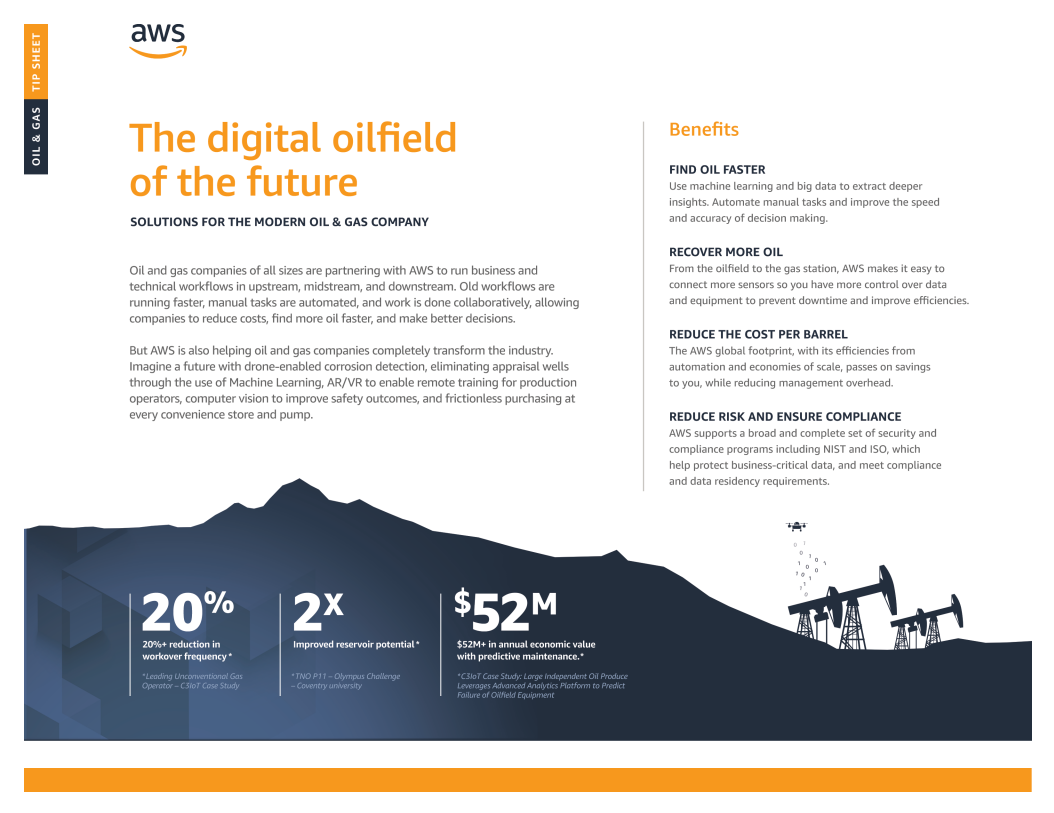
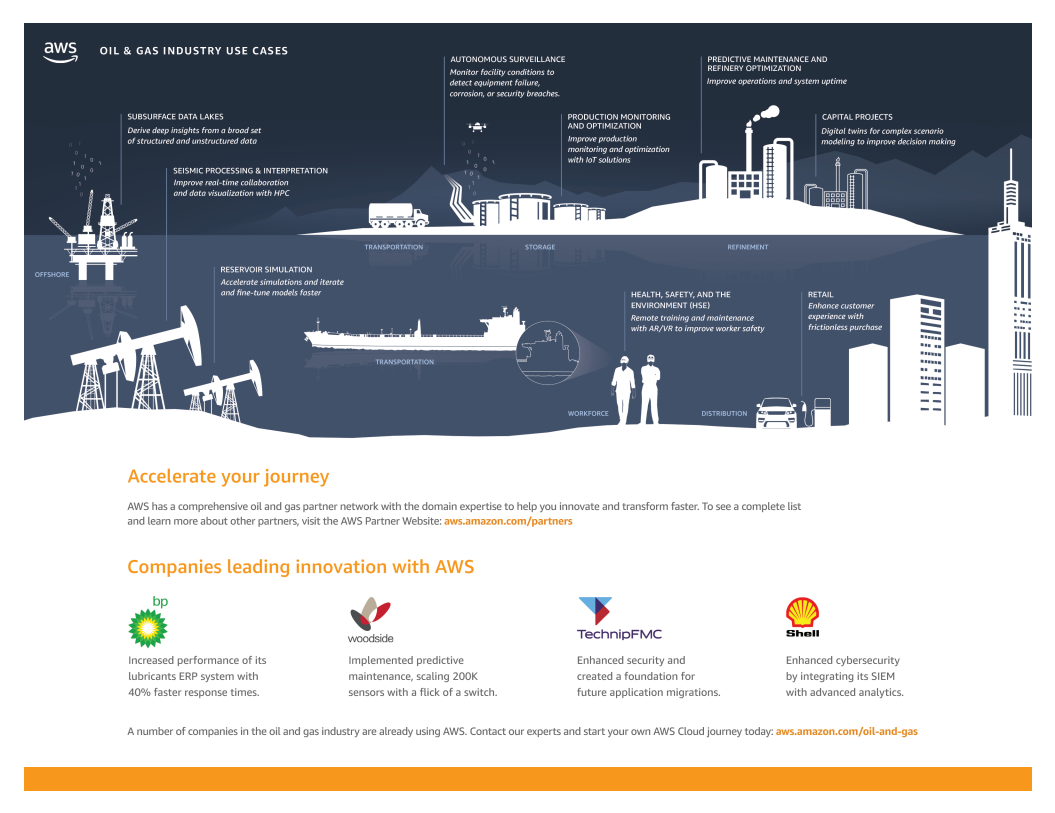
AWS tells oil companies it can help them “Find oil faster,” “Recover more oil,” and “Reduce the cost per barrel.”
AWS marketing aimed at the industry itself, as a pitch to prospective oil customers, with services such as seismic processing and interpretation, autonomous surveillance, and refinery optimization, leading to a doubling of reservoir potential.
Microsoft
Chevron partners with Microsoft to increase production by 400,000 barrels per day
Per a Microsoft engineer on the project, “Now, with the help of tech companies like Microsoft, oil companies are using cutting-edge technology to produce even more,” increasing from 600,000 to 1,000,000 barrels per day in Kazakhstan.
Microsoft
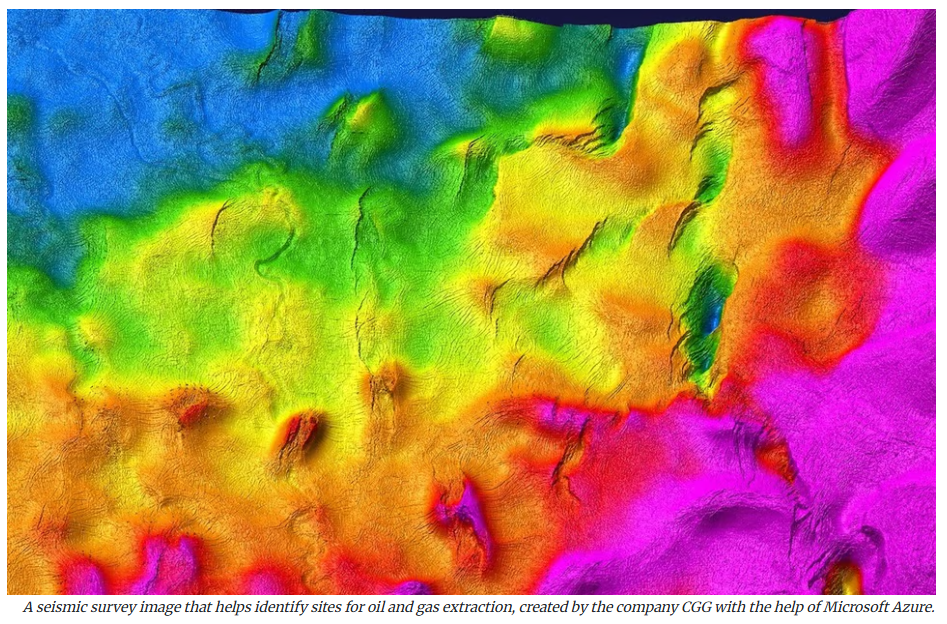
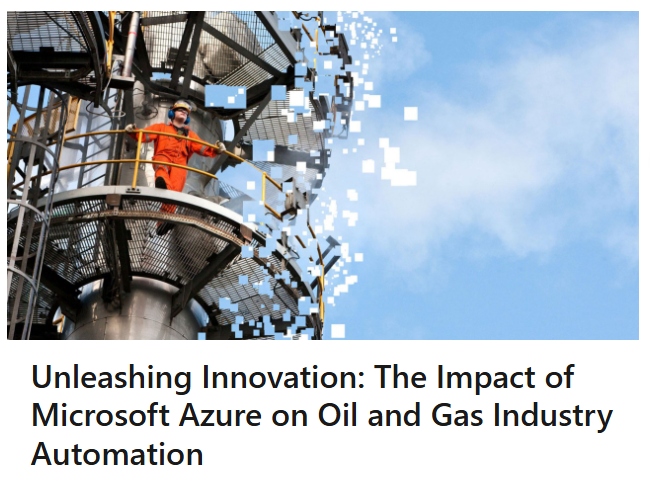
"With [Microsoft] Azure, the future of oil and gas exploration and production is brighter than ever."
Two engineers explain how Microsoft’s technology is being provided to the fossil fuel industry for AI-powered real-time data analysis, automated drilling and exploration, and simulation of complex models to reduce downtime, unlock new reserves, and increase annual production.
Equinor – 2026
"Technology is the key success factor… new volumes, record high recovery, cost efficiency, and time to market."
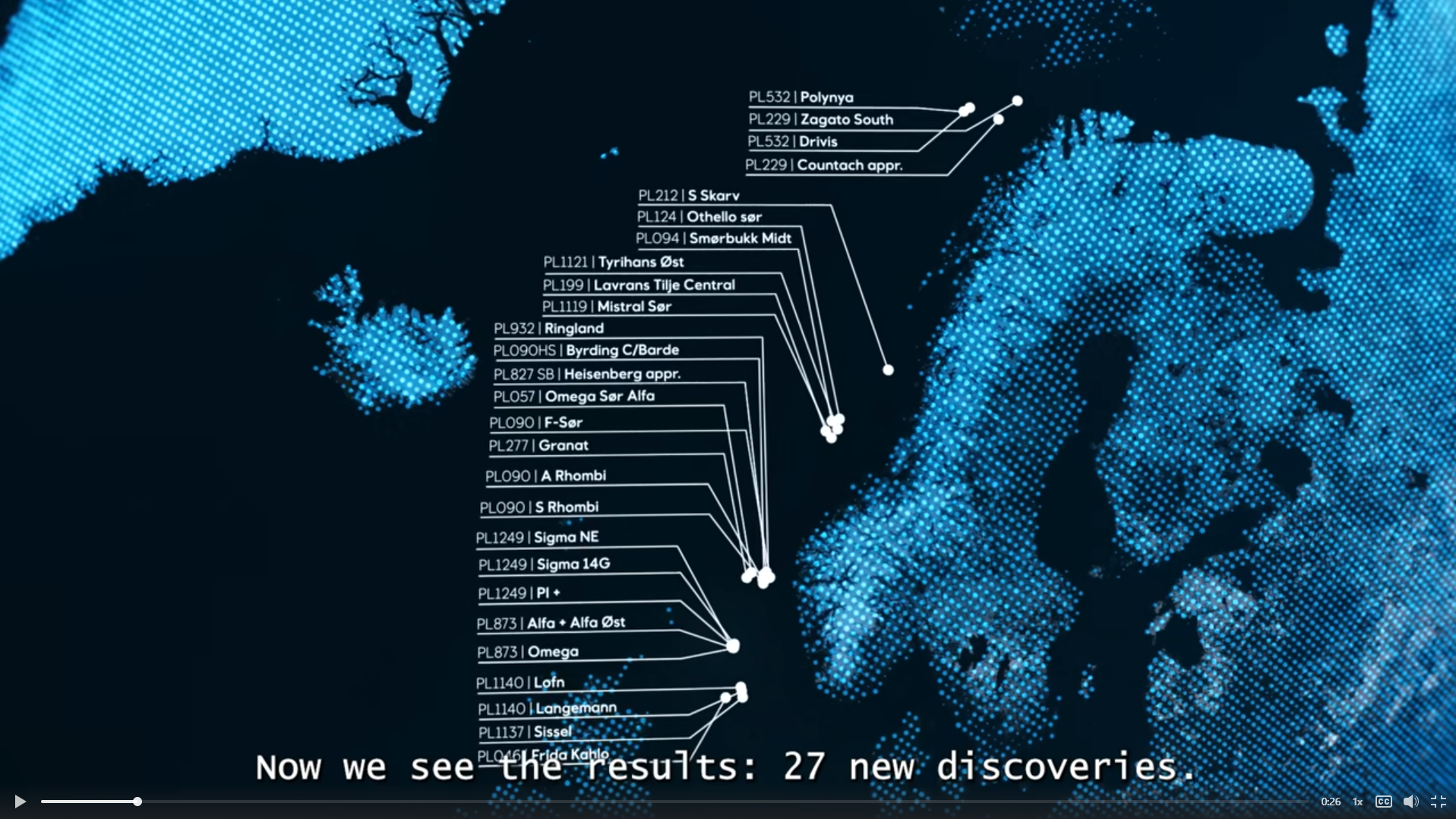
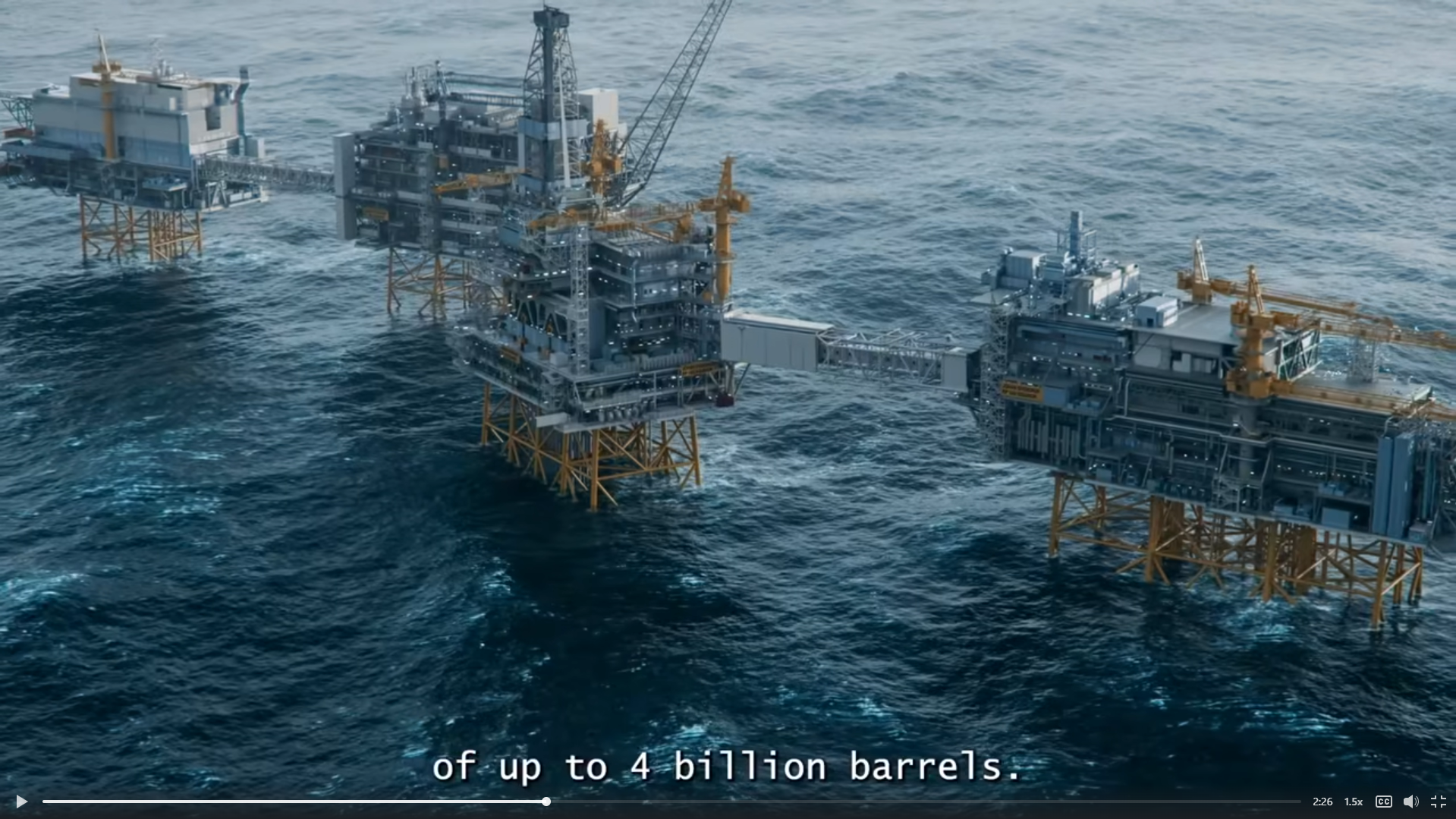
An Equinor company video cites 27 new discoveries in a year and up to 4 billion additional barrels recovered, stating that AI is "crucial" to "keeping oil and gas flowing," and that there is "not a single barrel of oil or gas found, drilled, or produced without technology." Equinor also says AI saved the company $130 million in 2025.
TotalEnergies & Mistral AI – 2026
A 3-year, more than €100m program to build AI models for oil and gas exploration and reservoir engineering, including extending the life of existing projects.
TotalEnergies will partner with Mistral AI's researchers to generate development scenarios for exploration opportunities and explore agentic AI. CEO Patrick Pouyanné said exploration and reservoir engineering are where AI can create “the greatest value for our activities.”
Wood Mackenzie – 2025
AI-driven production technology could unlock roughly 1 trillion additional barrels of oil.
Wood Mackenzie’s analysis says that would almost double the remaining recovery potential of fields already in production, putting the added recovery potential from existing fields at 470 billion to over 1 trillion barrels.
CERAWeek executives – 2025
“This is all around just producing more oil or gas.”
Oil and gas executives said AI is making projects viable that were previously too difficult or expensive to develop, and enabling drilling in areas once considered unfeasible, with specific examples such as Devon Energy reporting a 25% improvement in oil production after adopting machine learning to monitor its rigs.
ExxonMobil – 2026
A plan to grow Permian production almost 40% by 2030, using 40+ new technologies aimed at doubling oil recovery from the basin.
Exxon’s first automated drilling rig drilled two miles horizontally in just over six days – the third-fastest time in company history. SVP Bart Cahir put the strategy plainly: this is the productivity play.
Saudi Aramco – 2025
“You can increase the productivity two times as much.”
Aramco CEO Amin Nasser describes what AI and digitalization can do; Aramco has invested tens of billions of dollars in computing and has launched what it calls the world’s largest industrial large language model, built to forecast output, optimize performance, and minimize downtime.
Goldman Sachs – 2024
AI could cut the cost of a new shale well by ~30% and lift recoverable US reserves by 8–20%.
Goldman Sachs Research put that reserve increase at 10 to 30 billion additional barrels of US shale oil – a projection large enough that the bank expects it to weigh on global oil prices over the next decade.
Earth AnalytiX – 2025
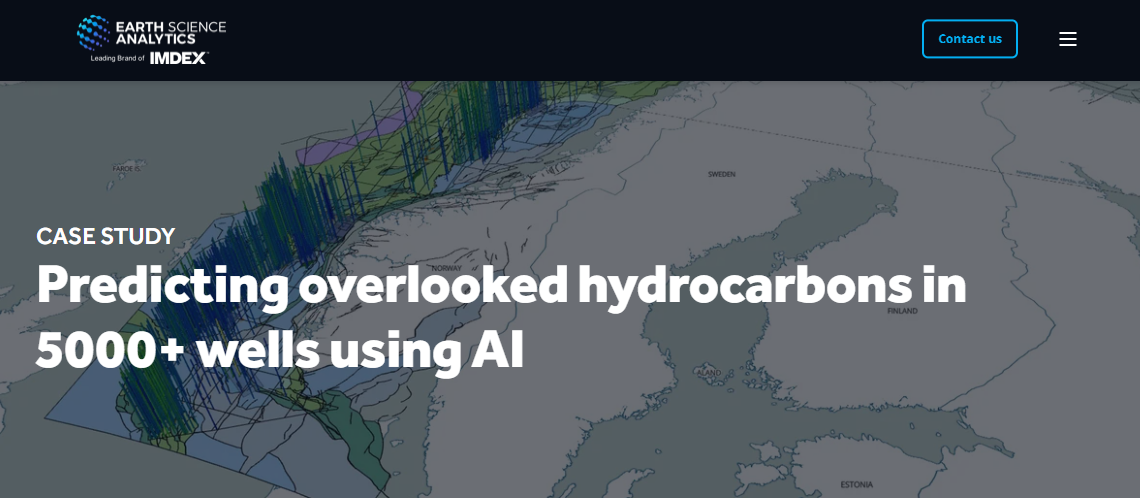
AI analysis of more than 5,000 wells across the UK and Norway identified hydrocarbon-bearing wells that had been written off as dry.
Delivered for Norway’s Petroleum Directorate, the project re-examined decades of well data at a basin-wide scale – the kind of forensic re-analysis that’s only practical with machine learning.
Argus Media – 2024
AI holds potential to extend shale era.
“Initially slow to embrace the artificial intelligence (AI) revolution, the US shale sector is fast playing catch-up, looking to harness AI's power to cut costs and speed up drilling.” While public attention has focused mostly on the energy demands of data centers, the industry is using AI to extend the shale era.
Wood Mackenzie
A hydrocarbon copy: the upstream industry’s return to international shale exploration
“Technology has pushed down the cost of supply in all shale basins.”
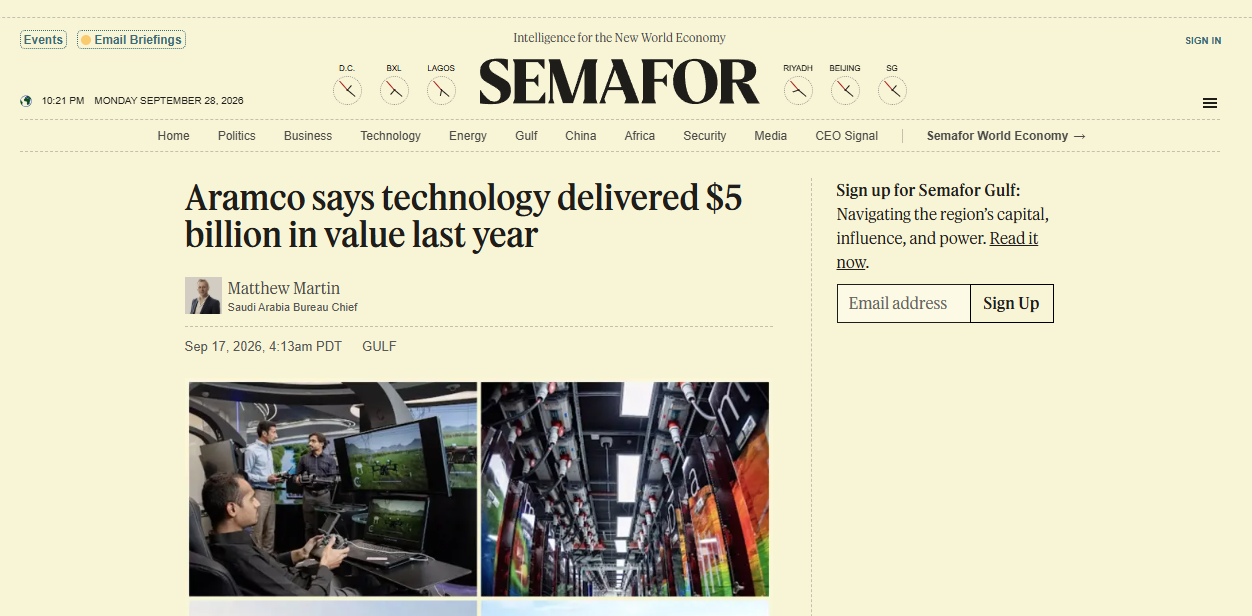
Saudi Aramco – 2026
Aramco says technology delivered $5 billion in realized value last year
Aramco's senior vice president of digital and information technology said technology investments have become as critical as the core business.